Benefits of Self-Monitoring for People Living with Diabetes
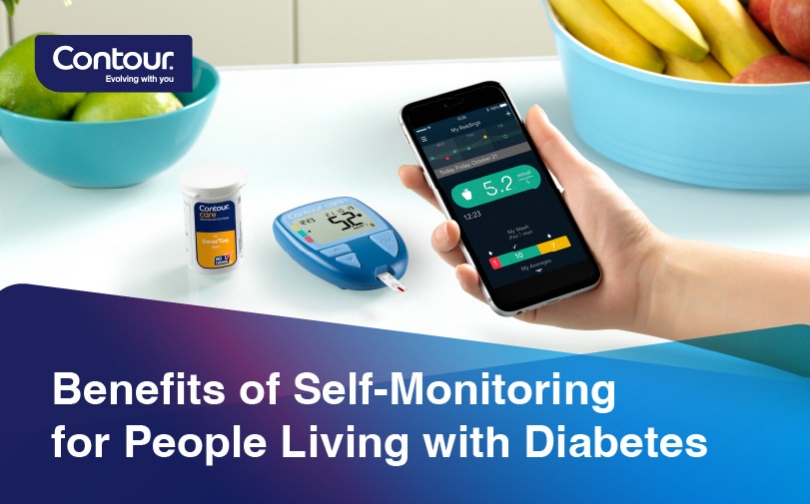
Managing diabetes effectively requires more than just taking medication—it involves active daily participation, especially in monitoring blood glucose levels. Self-monitoring empowers individuals to take control of their condition and make informed decisions. But to truly appreciate its benefits, it's important to first understand what diabetes is and how it affects the body1.
Diabetes – What You Should Know
Diabetes is a condition where the level of sugar (glucose) in your blood is higher than normal.
⦁ Type 1 Diabetes occurs when the pancreas produces little or no insulin. Insulin is a hormone that helps glucose enter your cells to be used for energy. Without enough insulin, sugar builds up in the blood instead of fuelling the body2.
⦁ Type 2 Diabetes involves insulin resistance. The body still makes insulin, but the cells don’t respond to it effectively. Initially, the pancreas produces more insulin to compensate, but over time it can’t keep up, leading to elevated blood glucose levels3.
Why Monitoring Your Blood Sugar Matters
Proper blood sugar control ensures glucose is delivered to your cells and converted into energy efficiently. When levels are too high or too low, it can lead to serious health complications such as cardiovascular disease, kidney failure, and nerve damage4. Maintaining a healthy blood sugar range is vital for long-term well-being.
How to Monitor Your Blood Sugar
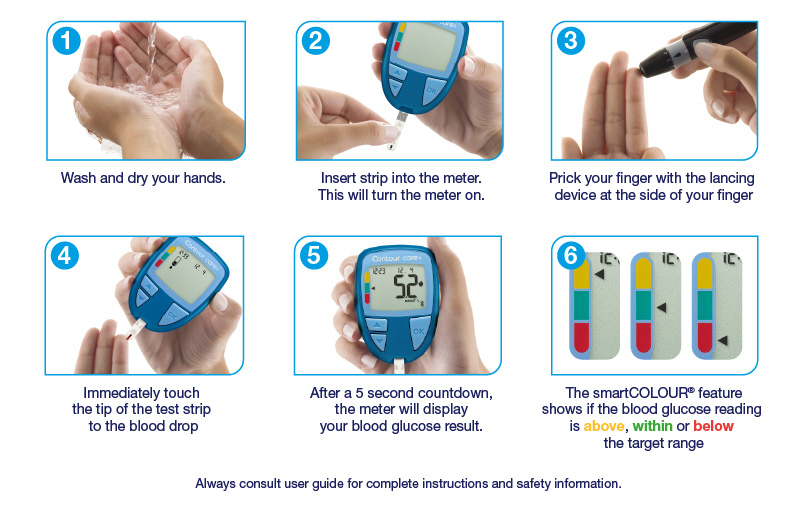
Blood sugar levels are commonly checked using a blood glucose meter (BGM). This device requires a small drop of blood—usually from a finger prick—to show your glucose level at that moment5. Regular monitoring helps you understand if your levels are within your target range and take action when necessary.
Hyperglycaemia – High Blood Sugar
High blood sugar (hyperglycaemia) can cause long-term damage to your organs and tissues. It may occur when:
⦁ The body doesn’t produce enough insulin
⦁ Insulin doses are missed
⦁ The current insulin dose isn’t sufficient6
Hypoglycaemia – Low Blood Sugar
Low blood sugar (hypoglycaemia) is especially common in people using insulin, particularly those with Type 1 diabetes. Symptoms can occur suddenly and may go unnoticed—especially during sleep. Severe hypoglycaemia can affect thinking, coordination, and behaviour, and may require urgent care7.
Note: Always consult your healthcare professional to determine your personal blood sugar target range1.
Benefits of Self-Monitoring for People with Diabetes
1. Improved Blood Glucose Control
Regular monitoring reveals how meals, medications, and activities affect your levels—helping you manage blood sugar more effectively and avoid complications8.
2. Early Detection of Highs and Lows
Self-monitoring alerts you to dangerous changes in blood sugar, allowing you to respond before they lead to serious issues6.
3. Personalized Diabetes Management
Each person’s body responds differently. Self-tracking provides insights that help tailor your treatment and lifestyle adjustments to your unique needs8.
4. Better Communication with Healthcare Professionals
Sharing your monitoring data helps your healthcare team fine-tune your treatment plan and provide more accurate, personalized care9.
5. Motivation for Healthier Habits
Seeing the impact of your choices—like a drop in blood sugar after a walk or a spike after dessert—can inspire healthier habits10.
6. Increased Confidence and Independence
Routine monitoring helps you feel more in control. It empowers you to make informed decisions and manage your condition with greater confidence11.
Enhancing Self-Monitoring with Connected Blood Glucose Meters
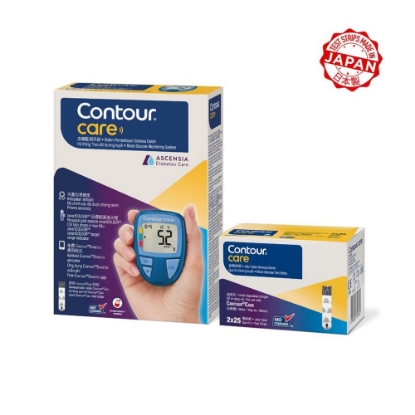
Modern connected blood glucose meters (BGMs), such as CONTOUR®CARE, take self-monitoring to the next level by offering tools that are easy to use and deliver deeper insights. These devices not only help you track your readings but also make managing diabetes less stressful and more intuitive.
Key Benefits of CONTOUR®CARE:
1. smartCOLOUR® Target Range Indicator
With its coloured target range indicator (green for within target range, yellow for above target range, red for below target range), you can instantly understand your test results without needing to interpret the number12,14.

2. Second-Chance® Sampling – 30 Second Countdown Screen
This feature lets you apply more blood to the same strip if the first sample is insufficient—reducing wasted strips and the discomfort of repeated finger pricks12.

3. Accurate Test Results
Accurate12 test results are important for therapy decisions, especially for correct insulin dose calculation15. Benefit from accurate test results even in times of haematocrit fluctuations13.
4. Seamless Data Syncing with CONTOUR®DIABETES App
The FREE CONTOUR®DIABETES App is available to support diabetes self-management adding insight and meaning to the results. The meter automatically uploads your readings to an electronic diary, lets you see patterns, set reminders, and generate reports that can be shared with your healthcare team.

These smart tools not only improve accuracy and convenience but also encourage consistency—making it easier to stay engaged in your diabetes care routine. To explore how CONTOUR®CARE can support your diabetes management, visit CONTOUR CARE blood glucose meter for more information or click here to make a purchase.
Conclusion
Diabetes doesn’t have to limit your life. With the right tools—especially self-monitoring—you can manage your condition effectively. Regular tracking supports healthy blood sugar levels, encourages better lifestyle choices, and fosters closer collaboration with your healthcare professionals. Most importantly, it empowers you to live a more confident, independent, and healthier life with diabetes1,8.
References
1. American Diabetes Association. (2024). Standards of Medical Care in Diabetes—2024. Diabetes Care. https://diabetes.org
2. Mayo Clinic. (2023). Type 1 Diabetes. https://www.mayoclinic.org/diseases-conditions/type-1-diabetes
3. National Institute of Diabetes and Digestive and Kidney Diseases. (2023). Insulin Resistance & Prediabetes. https://www.niddk.nih.gov
4. Centers for Disease Control and Prevention (CDC). (2022). Diabetes and Your Health. https://www.cdc.gov/diabetes
5. Diabetes UK. (2022). Blood Sugar Testing. https://www.diabetes.org.uk
6. WebMD. (2023). Hyperglycemia in Diabetes. https://www.webmd.com/diabetes
7. Juvenile Diabetes Research Foundation (JDRF). (2022). Low Blood Sugar (Hypoglycemia). https://www.jdrf.org
8. International Diabetes Federation. (2021). Self-monitoring of Blood Glucose in Diabetes. https://idf.org
9. ;Harvard Health Publishing. (2023). Communicating with Your Doctor About Diabetes. https://www.health.harvard.edu
10. Joslin Diabetes Center. (2023). Staying Motivated with Diabetes. https://www.joslin.org
11. Cleveland Clinic. (2023). Diabetes Self-Management. https://my.clevelandclinic.org
12. CONTOUR®CARE BGMS User Guide, 03/2021
13. CONTOUR®CARE test strip package insert, September 2018.
14. Data on File. Ascensia Diabetes Care. Protocol GCA-PRO-2018-006-01 (NCT03730480). Questionnaire 2: Features.
15. Stedman M et al. Journal of Diabetes Science and Technology 2021, Vol. 15(I) 76-81.